

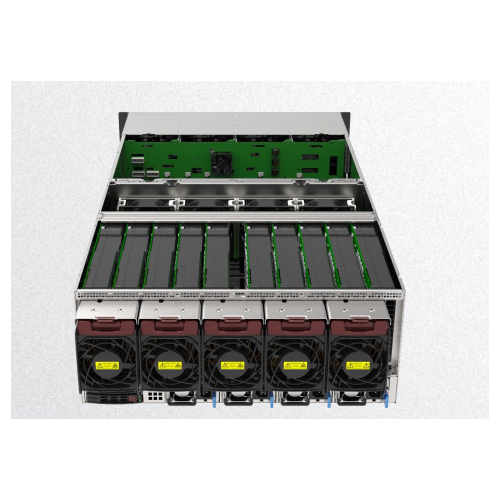
In recent years, as our demand for heavy-duty data processing has skyrocketed, GPU servers have become a go-to solution across tons of industries—think AI, big simulations, you name it. But with all that power under the hood, heat management has really become a big deal. Cooler servers run better and last longer; if they overheat, they risk throttling performance or even getting permanently damaged. So, figuring out how to keep these bad boys cool has led to all sorts of solutions—some traditional, some pretty cutting-edge.
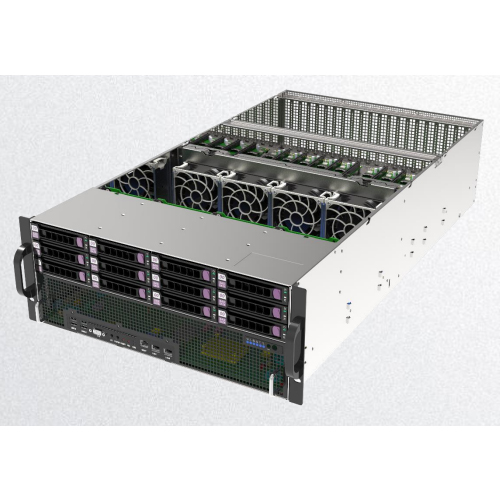
Now, usually, the first thing folks think of is air cooling. It’s been the standard for ages. Basically, you stick fans inside the servers to blow air over the hot spots. Tower servers have large fans arranged pretty strategically to push air across the GPUs, and rack-mounted servers often use special shrouds or aisle containment to help move air more efficiently. It’s pretty much all about speeding up air flow because, generally, faster-moving air can take more heat away. But here’s the catch: as GPUs get more powerful and packed tighter, they produce way more heat in a smaller space. And sometimes, traditional air cooling just isn’t enough anymore.
That’s where liquid cooling comes into play. It’s been making waves lately, and for good reason. Basically, instead of fans, you use tubes and blocks filled with a coolant—usually water-based—that pulls heat away from the GPU and moves it to radiators where it can be dispersed. Liquid coolers are usually way more efficient at shedding heat than air, thanks to liquids’ better thermal conductivity. Plus, there’s some really cool stuff happening, like immersion cooling, where entire server components sit submerged in a special conductive liquid—talk about next-level cooling!
All in all, having solid thermal management in place is super important if you want your GPU servers to perform their best and last a good long while. As cooling tech keeps advancing, industries relying on intense GPU computing stand to gain a lot—longer hardware lifespan, lower energy bills, and better overall performance. Researchers and engineers are constantly fine-tuning these cooling methods, mixing air and liquid solutions to push the limits. The future of high-powered GPU servers looks pretty bright, especially when smart cooling techniques help keep everything running smoothly and prevent overheating as we tackle bigger and more demanding data projects.
Post time: Jan-12-2026