

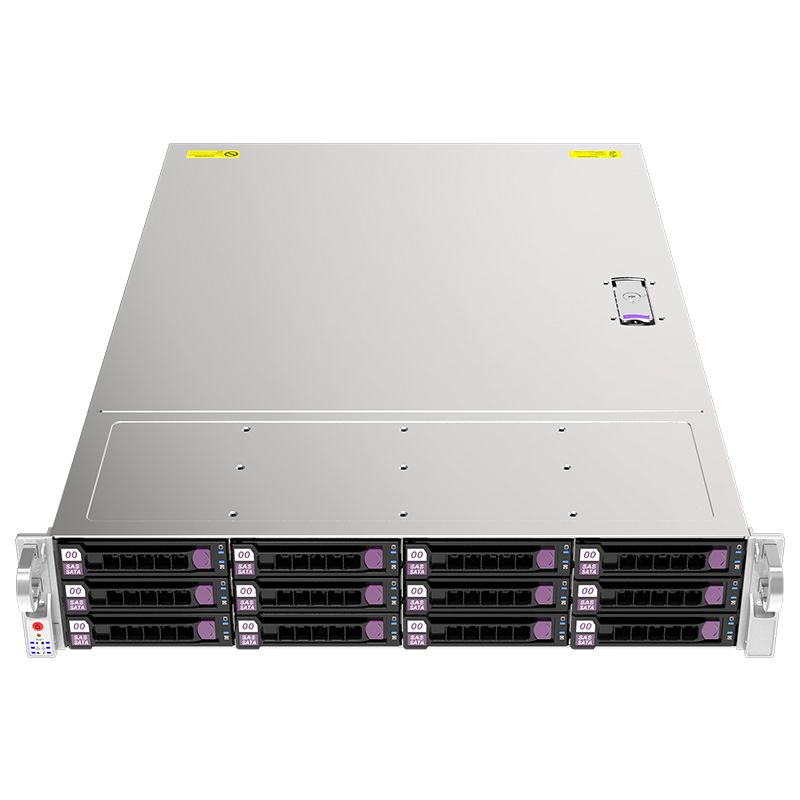
So, you know those 2U rack servers, right? The ones that take up about 3.5 inches in a standard 19-inch rack? They actually strike a pretty nice balance between capacity, performance, and saving space. You’ll find these puppies all over data centers and big enterprise setups—they handle everything from web hosting to storing massive amounts of data. Honestly, understanding what makes a 2U server tick can really help businesses figure out what they actually need for their IT infrastructure.
First off, one of the biggest perks of a 2U server is its performance. Compared to smaller 1U servers, which only take up one rack unit, a 2U can fit in more powerful hardware. That means more CPUs, more RAM, and additional storage drives—giving it the juice to handle pretty demanding tasks. So, if you’re dealing with virtual machines, large databases, or high-performance computing, these servers are usually a great fit. And since they’re a bit bigger, they come with better cooling options, helping keep everything running smoothly even when work gets intense.
Another thing I like about 2U servers is their storage capabilities and flexibility. They support more hard drives or SSDs than their 1U counterparts, so expanding storage doesn’t eat up more rack space. Many of them even come with hot-swappable drive bays—meaning you can replace or upgrade drives while the system is still running. That’s a real lifesaver when you want to keep downtime minimal and ensure your critical apps stay up 24/7. If your business deals with huge data sets, media libraries, or complex databases, their storage options are seriously handy.
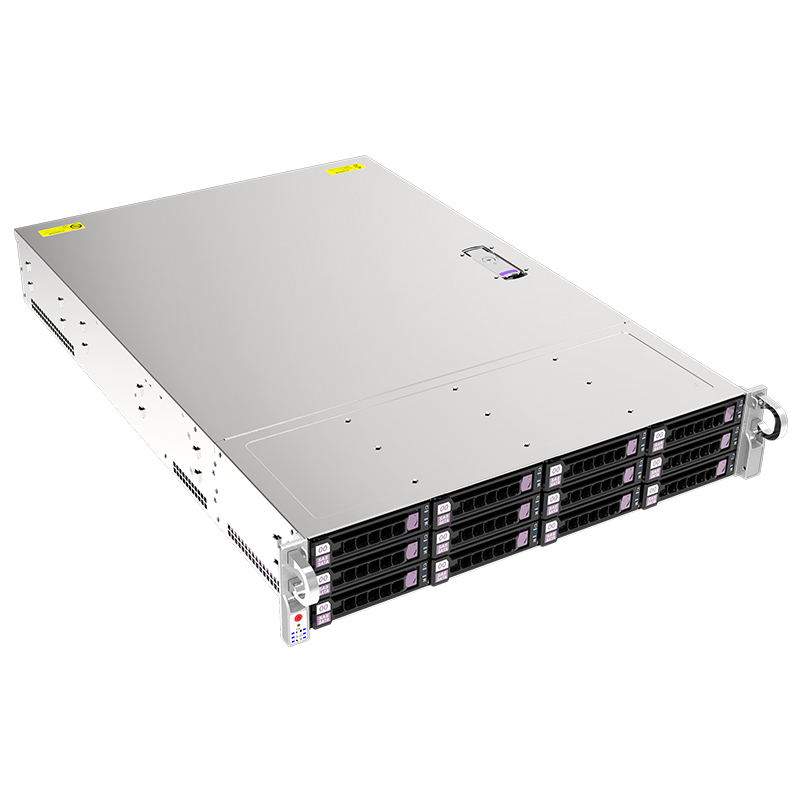
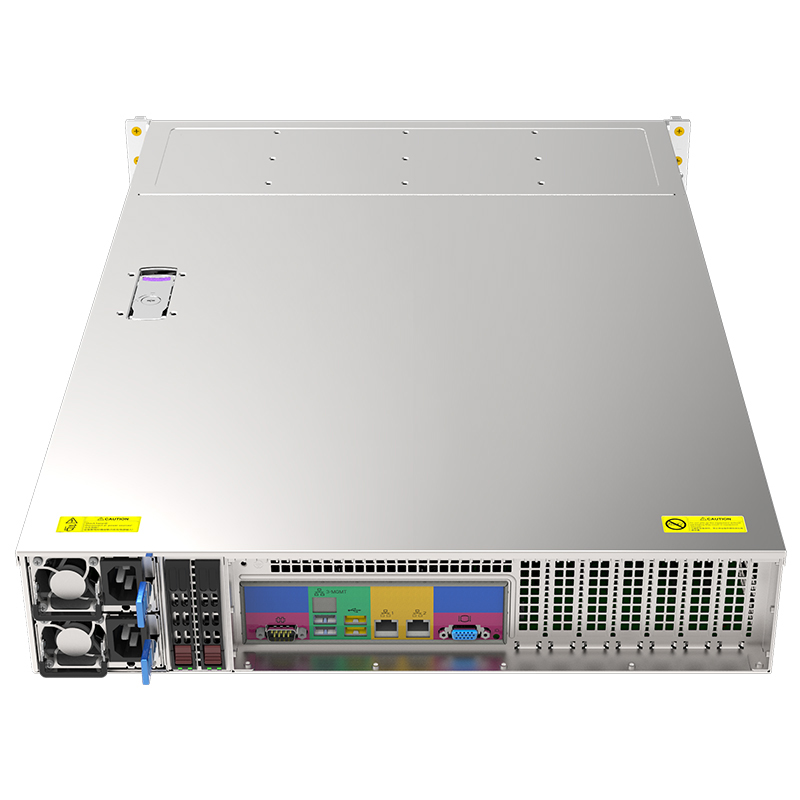
And let’s not forget connectivity and expandability. 2U servers usually have plenty of PCIe slots for network cards, RAID controllers, or even some powerhouse GPUs if needed. Those slots are great for managing high-speed data transfers and network traffic. Plus, they often come with multiple power supplies (sometimes redundant) and lots of network ports—so your system stays online no matter what. That’s crucial in environments where uptime isn’t optional.
All in all, a 2U rack server is pretty much the best of both worlds: solid performance, lots of storage, and plenty of options for expansion and connectivity. Its bigger size compared to 1U servers allows for better cooling and supports bigger hardware setups. Whether a company needs serious computing power, tons of storage, or flexible networking, a 2U server can handle it all while fitting neatly into a rack. That’s why you see them all over data centers and big business environments—they’re reliable, versatile, and built for pretty much any workload.
Post time: Oct-26-2026