

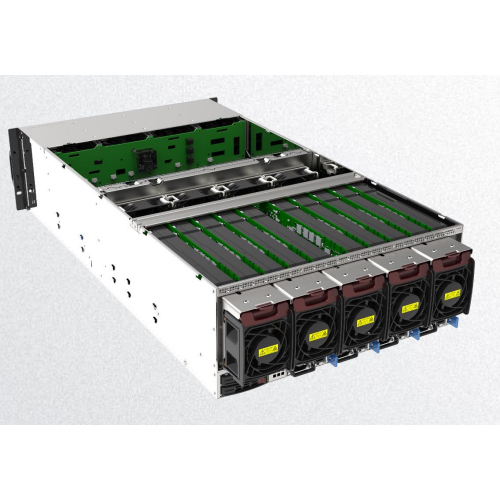
When you’re diving into the world of AI server chassis, it’s pretty important to get a handle on the different types out there. Basically, these chassis are built to hold and deliver the computing punch needed for AI tasks. Sometimes, they can be sorted based on how easily they can grow, how well they perform, and the special features they come with. For example, scalability is all about how easy it is to expand the system—adding more storage or extra computing power—stuff you definitely want if your AI projects are going to get bigger. Performance-wise, some chassis are better suited for simple machine learning jobs, while others can handle the heavy-duty deep learning models. Plus, some designs come with fancy features like high-density setups, cool advanced cooling tech, and better connectivity, making data processing smoother and more efficient.
Different types of chassis meet different needs, depending on what kind of AI work you’re doing. For instance, if you’re running deep learning models that need a lot of parallel processing, a high-performance chassis with multiple GPUs is a no-brainer. On the flip side, if your AI setup is expected to grow pretty fast, you’d probably want something more scalable—something you can easily upgrade with extra CPUs, GPUs, or storage drives as your requirements increase. And don’t forget those specialized designs, like AI-optimized chassis with cool cooling systems—they help handle the heat generated by powerful processors during intense operations, keeping everything running smoothly.
At the end of the day, choosing the right AI server chassis really depends on what your organization needs, how much you’re willing to spend, and what kind of workloads you’re planning to run. If you’re just starting out, you’ll want to think about what’s most important—performance, scalability, or some fancy features. Picking the right chassis is a huge deal because it directly impacts how efficiently and effectively your AI infrastructure works. Get it right, and you’re set up for success, with a system that not only handles today’s tasks but is also ready for future upgrades and tech advances. Basically, the goal is to build a solid, flexible setup that makes AI processing smoother and more reliable—now and down the line.
Post time: May-04-2026