

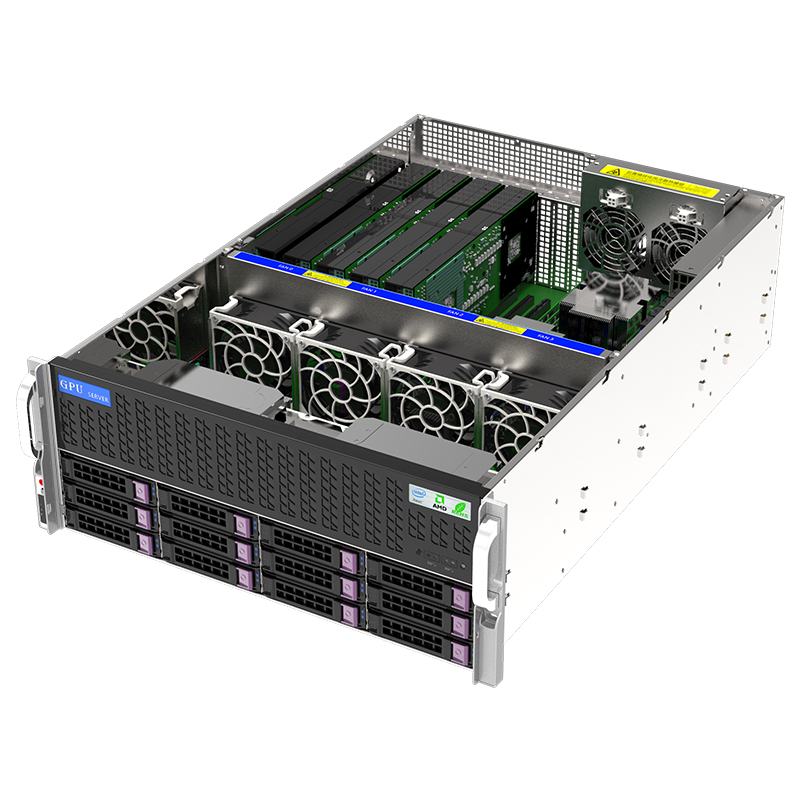
GPU server chassis have really become a key part of today’s data centers and high-performance setups. They’re basically the backbone that handles all those heavy-duty, complex tasks. These chassis are built to hold multiple GPUs, which are essential for things like AI, machine learning, rendering, and data crunching. A good design is super important — it keeps the GPUs cool and running smoothly, which is a big deal when you’re dealing with so much processing power.
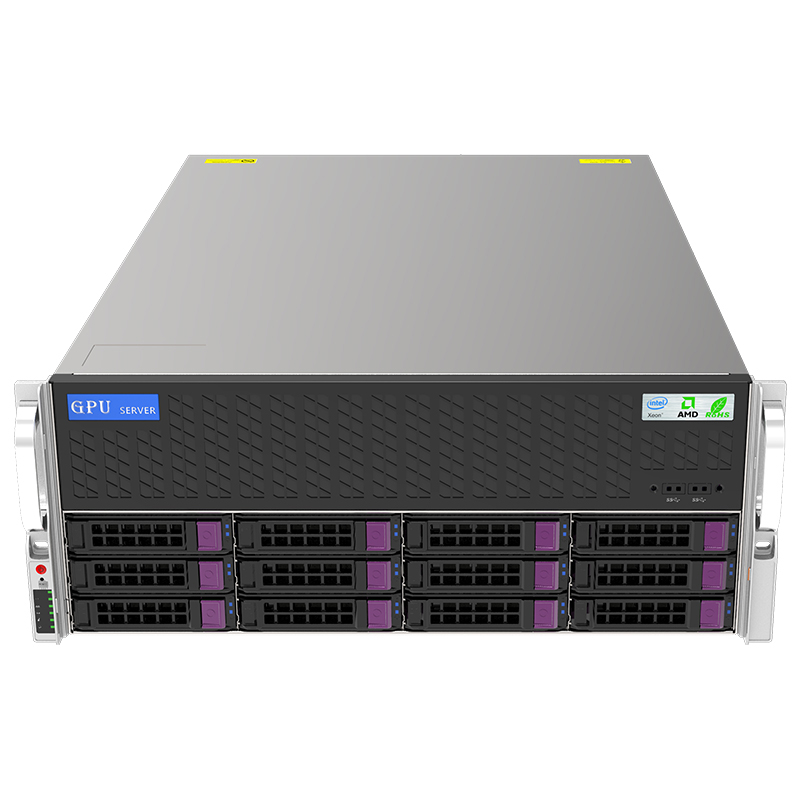
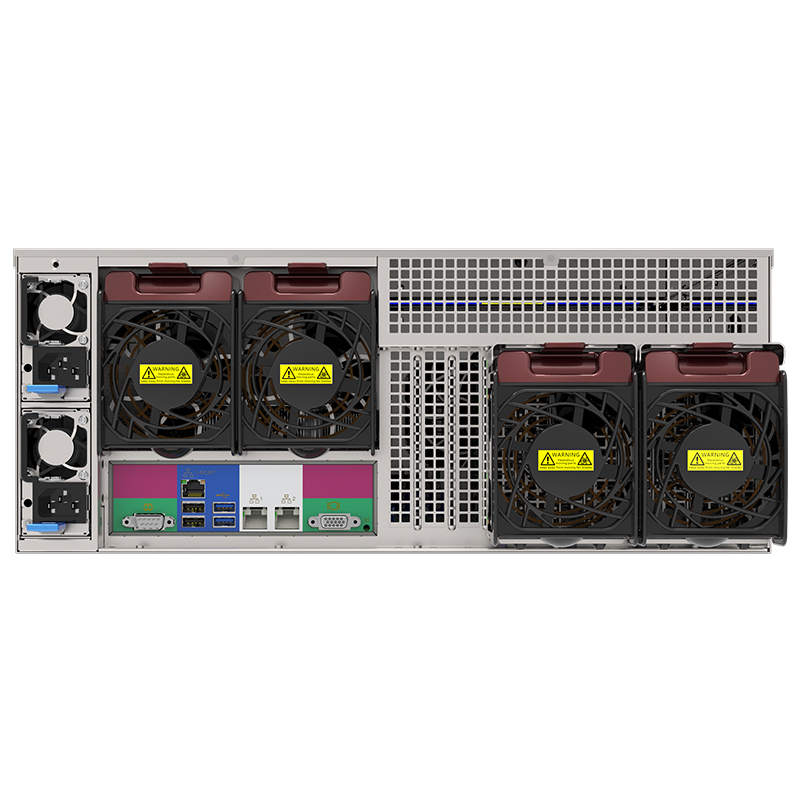
When you look at the different types of GPU server chassis, they usually fall into a few main categories, each suited for different workloads and sizes. First up, there are the traditional rack-mounted chassis. These fit nicely into standard server racks, so they’re pretty compatible with most data centers. They typically support between one and eight GPUs, depending on the model, making them perfect for big tasks like simulations or analyzing huge data sets — thanks to their large storage and memory capacity.
On the other hand, we’ve got tower GPU chassis, which are more like desktop towers but built for enterprise use. These are great for businesses that might need some mobility or just don’t have a dedicated server room. They’re usually smaller in terms of GPU capacity compared to rack types, but they’re flexible, easier to deploy, and perfect for smaller offices or startups that want powerful computing without tearing down their entire infrastructure.
And then there are the blade chassis — these are super compact but pack a punch. They’re designed for situations where space is tight but you still need high computing power. They maximize performance per square foot, so they’re really ideal if you want to save space without sacrificing power. All in all, the different types of GPU server chassis give organizations the chance to pick what works best for their specific needs — pushing forward a new wave of innovative, efficient high-performance computing solutions.
Post time: Dec-22-2025