

**A Quick Guide to Rack Server Classifications**
When you’re dealing with data centers and enterprise-level computing, rack servers are honestly pretty essential for keeping things running smoothly and managing complex workloads. Because they play such a big role, it’s super useful for IT folks to get a handle on how these servers are classified—so you can pick the right one for your needs. Let’s break down the main types of rack servers in a straightforward way.
**1. Size-Based Classifications:**
Most rack servers are sorted by their size or form factor, which is measured in units called “U”—like 1U, 2U, 3U, and so on. One “U” equals 1.75 inches tall.
- **1U Servers:** These are the tiny ones, great if you want to fit a lot of servers into a small space. They’re perfect for setups where high density is key, even if they don’t pack the most punch in terms of power.
- **2U Servers:** These give you more room inside—more drives, more memory—kind of like a happy medium between size and expandability.
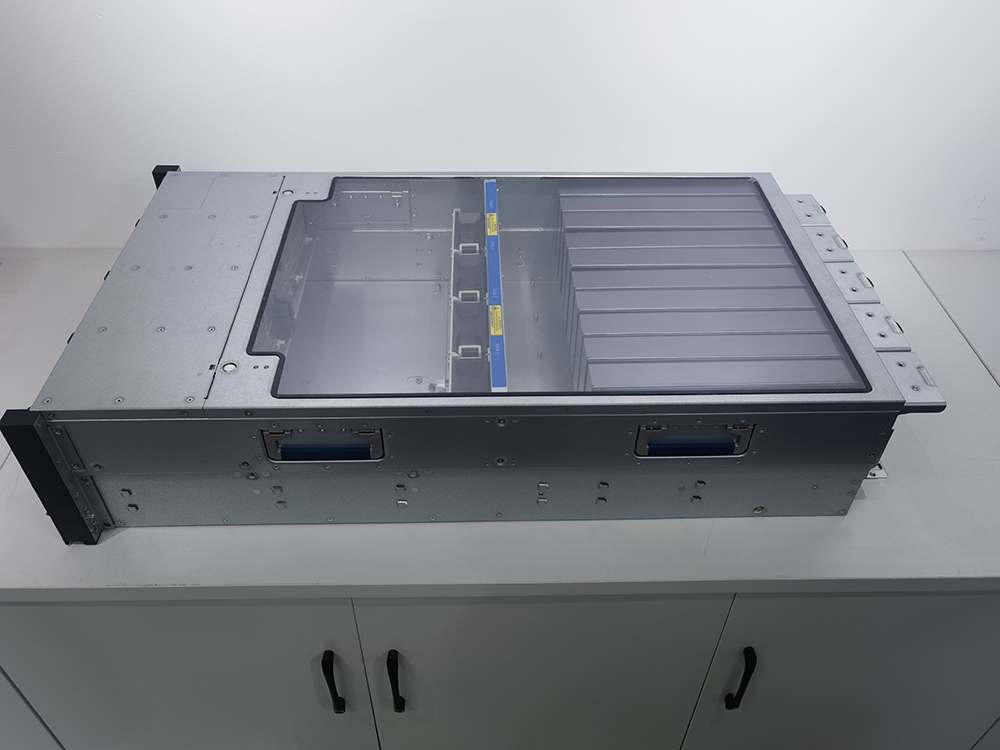
- **4U and Larger:** Big guys that can handle lots of expansion and high performance—ideal if you’re running intensive applications or virtual machines.
**2. Function-Based Classifications:**
Sometimes, the type of server matters more than its size. So, servers can also be grouped by what they’re mainly used for.
- **General Purpose Servers:** The all-rounders—good for a variety of apps, with balanced CPU, memory, and storage.
- **High-Density Servers:** Built to cram a lot of computing power into a small space, often used in high-performance computing (HPC) or cloud environments.
- **Storage Servers:** Built with large drive bays, these are all about storing huge amounts of data—perfect for intensive data workloads or databases.
**3. Performance-Based Classifications:**
And finally, servers are also classified based on how powerful they are.
- **Entry-Level Servers:** These are budget-friendly and suited for small to medium businesses with less demanding needs.
- **Enterprise-Grade Servers:** These are the heavy hitters—offering redundancy, security, and extra features needed for mission-critical tasks.
- **High-Performance Servers:** Maxed out with the latest tech, like super-fast processors and tons of memory, these servers are what you want if you’re running AI workloads or handling big data analysis.
All in all, knowing how rack servers are categorized by size, purpose, and power helps you pick the right one for your organization. Matching the right server to your specific needs means smoother performance and better efficiency overall.
Post time: Aug-31-2026