

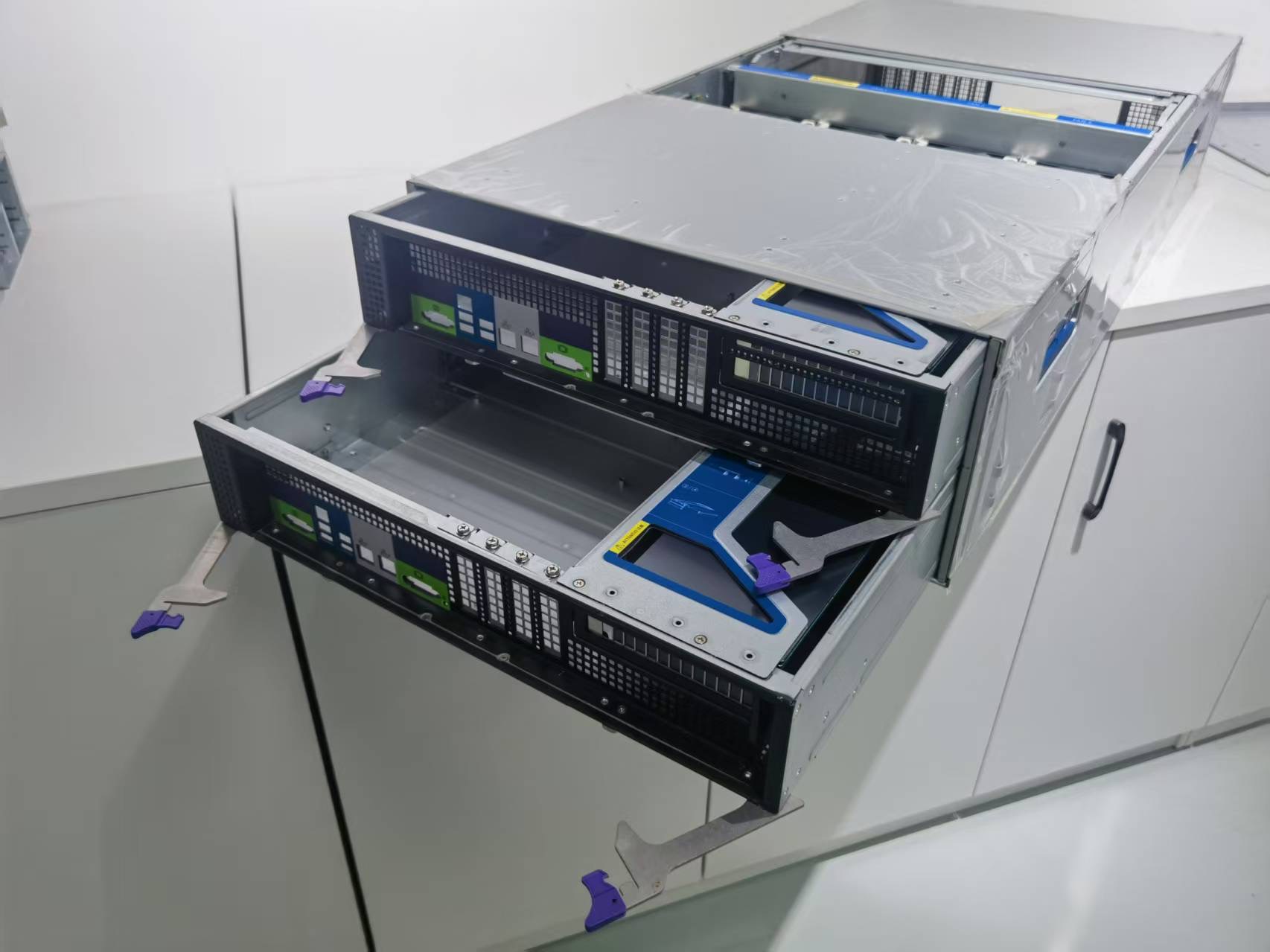
So, you’re wondering how an AI server chassis manages to stay cool and avoid overheating? Well, in the fast-paced world of artificial intelligence, making sure these servers don’t get too hot is a big deal. Keeping everything running smoothly really hinges on good heat dissipation. Let me share some of the key ways folks do this.
First off, investing in high-quality thermal management stuff is a must. Think about using really good heat sinks made from materials like aluminum or copper—they’re excellent at pulling heat away from the main components. Plus, these heat sinks should be designed to have as much surface area as possible — the more contact with air, the better the heat transfer.
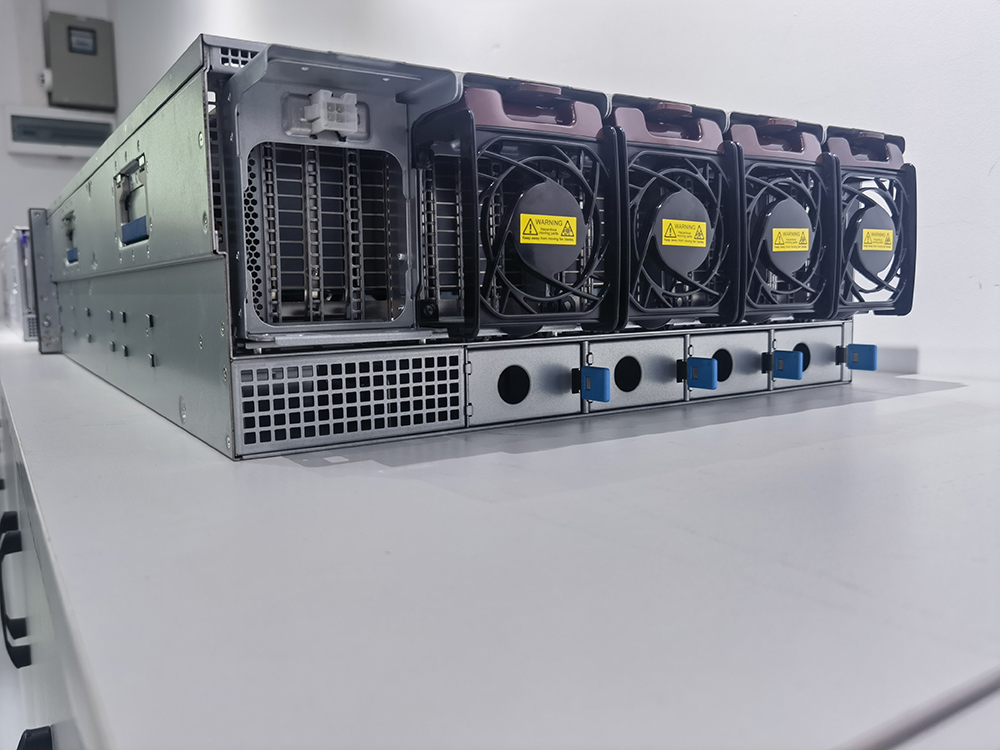
Then, there’s the role of cooling fans. They’re pretty much essential. The trick is to position them so that airflow flows cleanly from the front to the back of the chassis—drawing in cool air and pushing out the warm, heated air. Modern fans with variable speeds are a game-changer too—they adjust based on the server’s temperature, which helps keep noise down and saves energy.
Another option that’s gaining popularity is liquid cooling. It’s a bit more advanced but highly effective, especially for powerful AI servers that generate a ton of heat. Essentially, liquid coolant runs through tubes and radiators to keep temperatures in check. This kind of setup really shines when space is tight and traditional air cooling just isn’t enough.
Of course, the design of the chassis itself matters. It should promote smooth airflow without obstructions. And cables—don’t overlook them! Messy or badly routed cables can block airflow and cause hot spots. Modular chassis designs make it easier to install and maintain cooling parts without taking the whole thing offline for too long.
And don’t forget, keeping an eye on temperatures in real time is super helpful. Using monitoring software gives you instant feedback—so you can tweak things if things start to overheat. That way, you’re proactively preventing issues before they become serious.
All in all, keeping an AI server cool isn’t just about throwing in fans and heat sinks. It’s a mix of smart cooling systems, good airflow design, possibly liquid cooling, tidy cable management, and constant monitoring. Do all these right, and your server will run smoothly and last longer, no sweat.
Post time: May-19-2026