

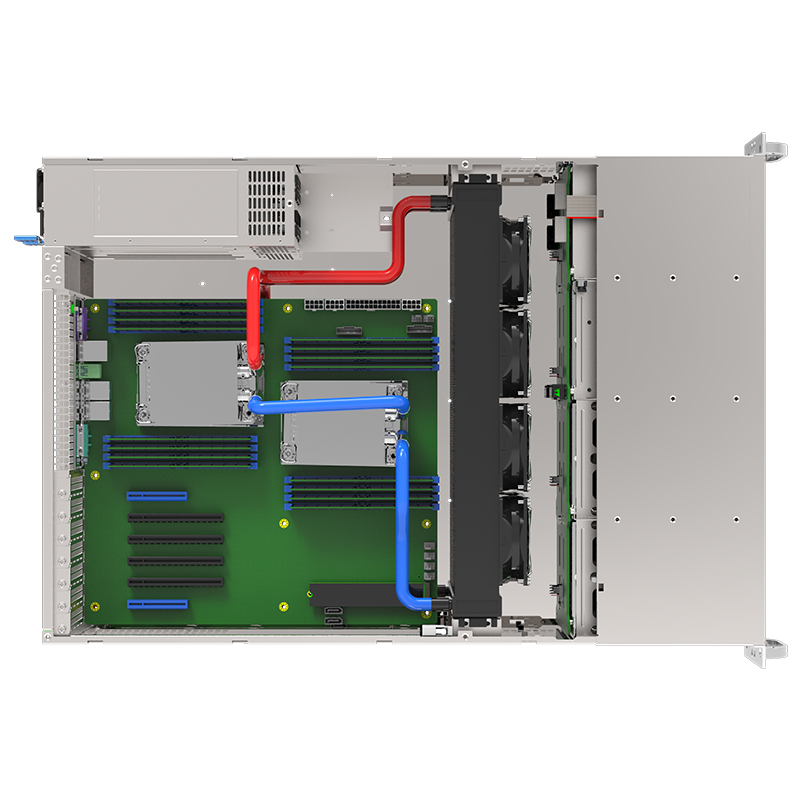
 Let’s talk about liquid-cooled servers—a pretty cool tech that’s really shaking up how we handle heat in high-performance computing. As more folks push for faster, more efficient systems, these servers are quickly becoming a smarter choice over the traditional air-cooled ones. Initially, liquid cooling was mostly a thing for the big, super-powerful setups, but now, it’s catching on across different industries because it’s just so effective.
So, what’s so great about liquid-cooled servers? Well, first off, they’re awesome at getting rid of heat. They use a special coolant—usually water or some other fluid—that flows through pipes and heat exchangers, pulling heat away from the key parts like CPUs and memory modules a lot better than just fans. That means lower temps, which translates into better performance.
Plus, they’re more energy-efficient. Because they don’t need as much cooling infrastructure like giant air conditioning units, they cut down on power use. Traditional data centers waste a ton of energy trying to cool everything, but liquid cooling just targets the heat right at the source, making the whole setup way more sustainable and cheaper in the long run.
And here’s a bonus—these systems are a lot more compact. They let you squeeze more servers into a smaller space without worrying about overheating. Especially in data centers where space is precious, this is a big win. The better heat management also means you can pack everything in tighter, improving overall efficiency.
Another perk? They’re super quiet. Unlike the noisy fans that keep air-cooled servers chugging along, liquid-cooled servers run pretty silently. That’s a big deal if you’re working in environments where noise needs to be kept to a minimum, like labs or busy offices.
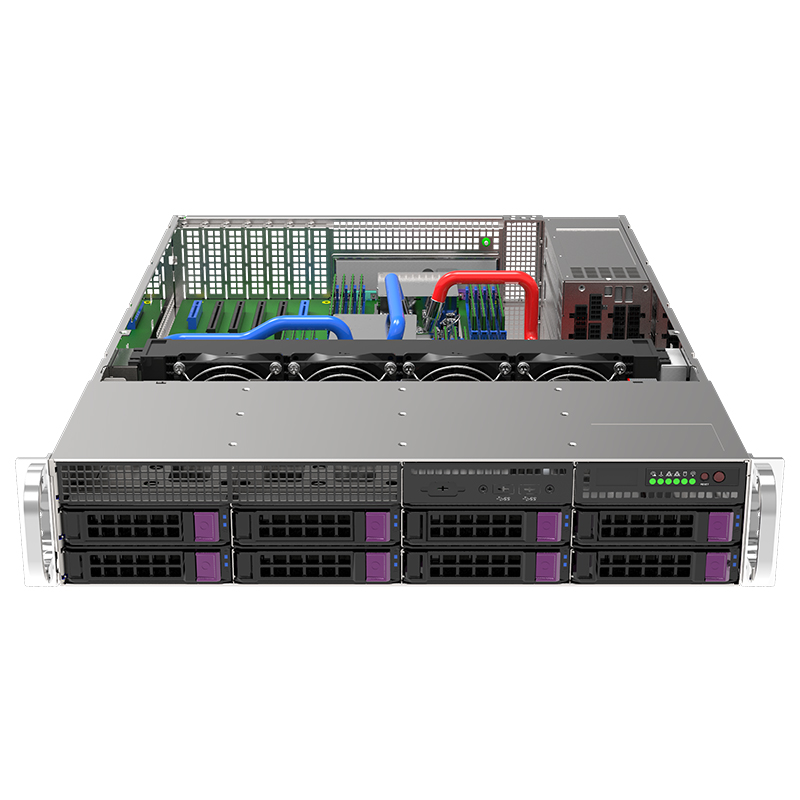
Finally, with lower operating temperatures, these servers tend to be more reliable and last longer. Overheating can cause hardware failures and shorten a component’s lifespan, but liquid cooling helps prevent that, ensuring your systems run smoothly and are less prone to suddenly breaking down.
All in all, liquid-cooled servers are a pretty compelling alternative—they beat traditional cooling in heat management, save energy, save space, reduce noise, and boost reliability. As tech keeps advancing, it’s only a matter of time before liquid cooling becomes even more of a standard in data centers aiming for better performance and sustainability.
Post time: Jul-27-2026