

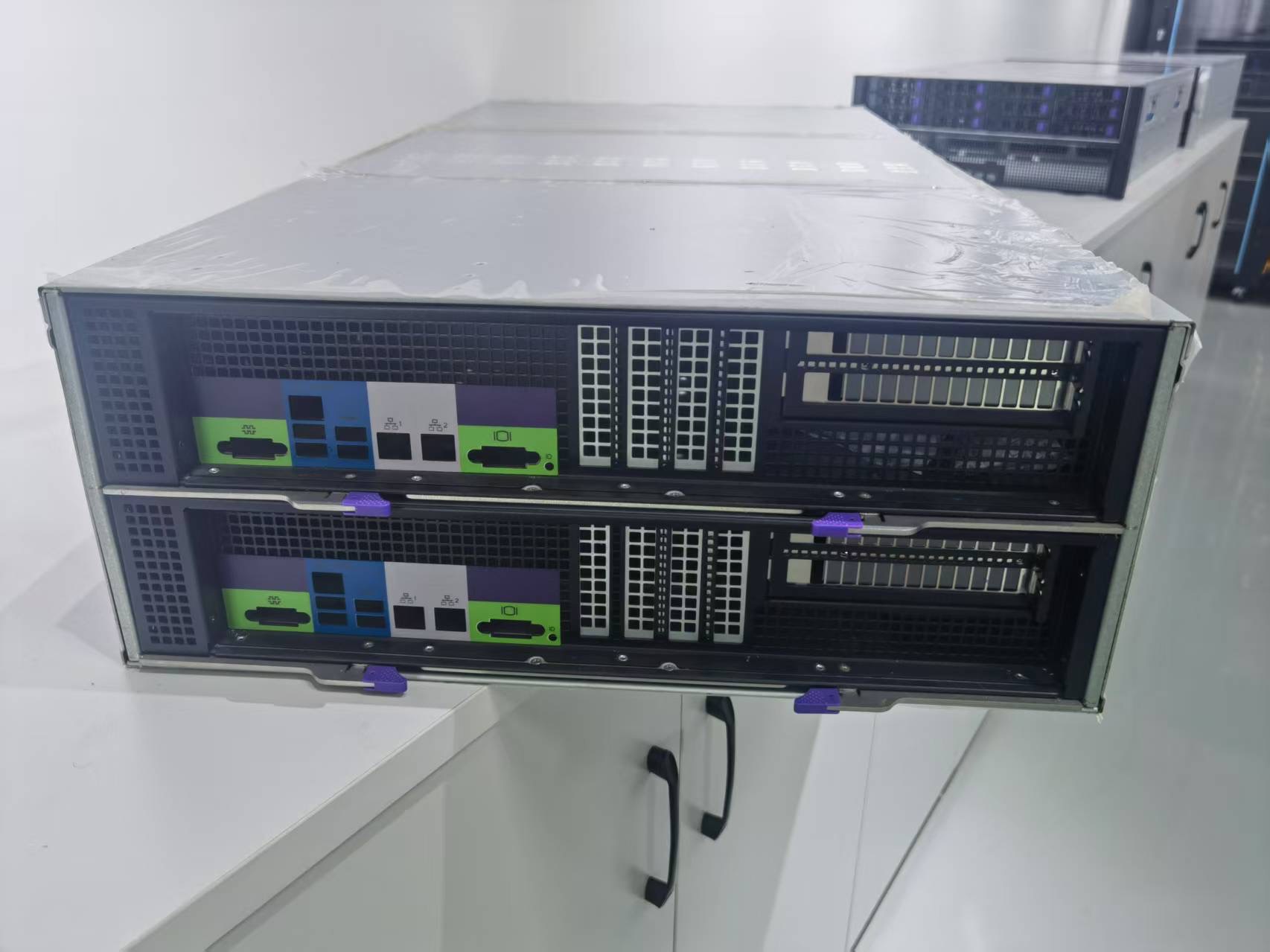
Lately, GPUs aren’t just about making pretty graphics or animations anymore. They’ve really stepped up and become jaws-dropping powerhouses for all sorts of heavy-duty computations, thanks to their pretty unique design. You see, they were originally built to handle tons of tasks at once—parallel processing, right? — so they’re super good at juggling multiple things simultaneously. That makes them perfect for crunching huge data sets in today’s data-driven world. Whether it’s scientific simulations or mining cryptocurrencies, GPU servers pack a punch that’s both powerful and relatively budget-friendly for handling intense workloads.
One of the coolest things about using GPU servers is how they’re changing the game in AI and machine learning. Their ability to process multiple things at once really cuts down the time it takes to train those complex models. Instead of waiting hours or days, you get results faster. They’re especially good with dense matrix calculations and managing complicated neural networks, which means tech companies can innovate faster—think natural language processing, self-driving cars, and more. Basically, GPUs are major players in pushing forward some pretty amazing AI breakthroughs.
And it doesn’t stop there. In scientific research and simulations, GPU servers are making waves too. They can handle high-res visualizations and run complex models in areas like molecular biology, climate science, or even astrophysics. Being able to process tons of data quickly really ups the accuracy and predictive power of these studies. This means researchers can make more precise and informed decisions, fueling progress in so many fields. Overall, GPU servers are transforming the computational landscape—they offer serious high performance without blowing the budget, making them an essential part of innovation, whether in research labs or tech startups.
Post time: Jul-15-2026